

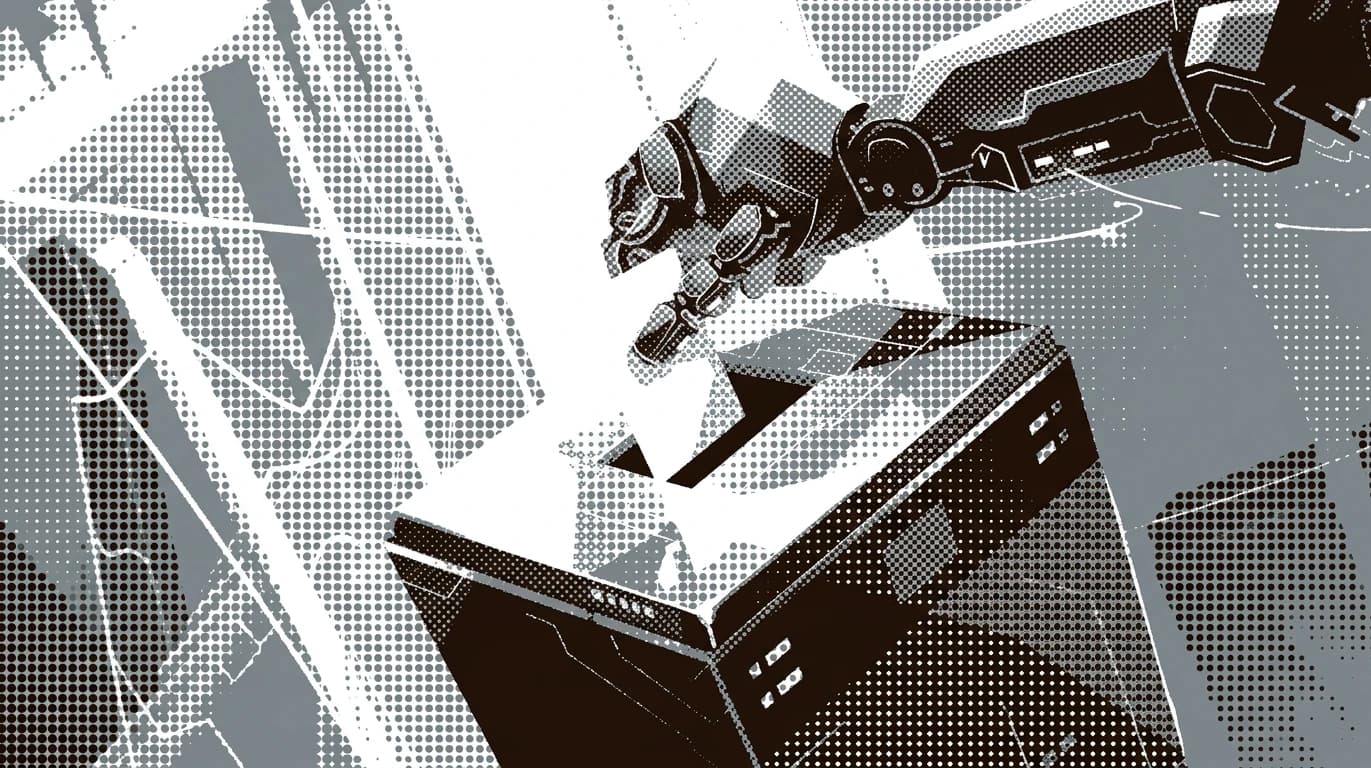

America's midterm elections have been read as a vote against artificial intelligence. Democrats took both houses of Congress and a run of governorships on Tuesday. Voters turned against data centres in 44 of 45 local ballots. By Thursday the Nasdaq was in a correction, Nvidia had given up its gains for the year and the chip index had fallen 12% in a day, on the fear that the people who had just won would slow the AI build-out. However, we've gone through the delivery schedules of 77 of America's largest AI sites, and it turns out the fear is misplaced. Political changes as a result of the election will delay a few gigawatts and remove almost none, most of that delay was already in train, and some of it was initiated by a Republican governor in Texas. As we've covered before, the weak point of the AI boom is debt and, in the US, electrical grid capacity. This week we explore why the record-breaking election result won't change the direction of the AI build-out at least until the next election.
When commentators say AI was on the ballot, they usually mean it loosely, as a theme that shaped how people voted for governors and senators. In Trenton, Ohio, a city of about 13,000 people north of Cincinnati, as in many other communities, it was on the ballot in the literal sense. Below the candidates' names, voters found Issue 17, a charter amendment that began "The construction of a data center is hereby prohibited" and defined a data centre as any facility drawing more than 25 megawatts.
In reality the larger decisions were made through the candidates chosen. Twenty-six gubernatorial candidates across 21 states backed some form of pause on data centre development ahead of the election, and the winners include Gina Hinojosa in Texas, Keisha Lance Bottoms in Georgia, Amy Acton in Ohio and Deb Haaland in New Mexico. Those four states hold the largest share of capacity scheduled for 2027 and 2028. But most of what has been written since Tuesday confuses three different quantities: capacity that is exposed to a possible policy, capacity that is likely to be delayed, and capacity that will not be built. Cleanview's widely shared chart showing 41% of planned capacity in states whose governor backs a pause carried the caveat "this is exposure, not a forecast of cancellations" in its footnote.
To try to understand the true implications for the AI build-out, we built a forecast from the delivery schedules of the 77 large American AI campuses that Epoch AI tracks. For each block of capacity we asked which state approval it still needs and how long any pause is likely to last, then ran a simulation. Half of the capacity due by the end of 2028 is in a state with a pause in force or pledged. Weighted by what is likely to happen, the sites run about 6% behind schedule in early 2028 and 9% behind at the end of that year. Half of that shortfall is made up by the middle of 2029. Capacity still more than doubles, from about 13 gigawatts today to about 30. The local bans change even less. Trenton's ban leaves the Amazon campus under construction next door, outside the city limits, untouched.
Of the 3 gigawatts we expect to be late at the end of 2028, about 1.8 was already in train. Greg Abbott, the Republican governor of Texas, halted new grid connections in August and in September ordered the state's environmental agency to stop issuing permits for data centre infrastructure. The agency complied within a month and, when permits kept slipping through, shut its online filing system. A pending air permit in New Mexico and a transmission case in Wisconsin make up the rest. The election adds the remaining 1.2 gigawatts, mainly by extending the Texas pause. Thirteen of the 20 communities that voted on bans were in Republican-held districts. Nearly every moratorium on record exempts sites already approved, because the construction unions are not to be trifled with.
The Democratic majorities will hold hearings and issue subpoenas, and some members will introduce bills to pause frontier AI development or ban superintelligence outright. Those bills will not become law. The president holds a veto until January 2029 and has built his domestic agenda around the AI build-out, most Senate legislation needs 60 votes, and the new caucus is not what the headlines suggest: Innovation for Good, the pro-AI Democratic PAC, saw its endorsed candidates win 39 of 40 called races. Chuck Schumer's speech on Wednesday setting out the Senate's priorities named the cost of living, corruption and ending the Iran war, and did not mention AI. Democrats know they will be judged in 2028 on electricity and grocery bills, and a federal data centre moratorium would deliver no visible benefit to any voter before then.
Trump's own policy framework in March asked Congress for a ratepayer protection pledge to shield household electricity rates from data centres. Schumer's energy plan includes a promise to make data centres pay their fair share of grid costs. A cost-sharing bill that requires large users to fund their own interconnection and upgrades fits a cost-of-living agenda and has been proposed by both sides. It would regulate who pays for the grid rather than the technology, and it is the only AI-related law we expect to see signed in the next two years. On Thursday OpenAI published a community compact and policy blueprint for what it now calls compute campuses. At the sites it owns and operates from here on, it says it will pay the full cost of its electricity and of the grid upgrades it needs, use closed-loop cooling, publish each site's energy, water and noise figures, and stop asking public officials to sign non-disclosure agreements.
The five largest spenders laid out $230 billion of capital last quarter against $199 billion of operating cash flow and raised the difference from bonds and share sales, a pattern we have written about for months. This week's market volatility sorted the industry by that exposure rather than by politics. The equipment suppliers and the hosts that build with borrowed money fell hardest; Microsoft, Amazon and Alphabet fell least.
As things stand, the spending will continue. Hyperscalers would lose more by pausing while their rivals build than by overspending alongside them. No American government, of either party, will slow its own labs while China's advance.
Takeaways: Nothing decided this week will slow the AI build-out in any meaningful way, and the capacity that matters for 2027 is already under construction. A data centre built to the standards now being demanded, with closed-loop cooling, careful screening, its own power and a guarantee that neighbours' bills will not rise, occupies a few hundred acres and asks very little of the people around it in return for what it adds to economic growth, science, medicine and education. The opposition to it is understandable all the same, because the building is the physical manifestation of AI that can be seen and voted on, while the things people actually fear, about jobs, about who controls the technology and about whether we can maintain control over it, have no ballot box of their own. Fighting the buildings does not answer any of those questions. The harder work of deciding how machine intelligence should be governed, and who benefits from it, still has to be done.